
Council tax rises by 4.9% as increases continue to outpace inflation

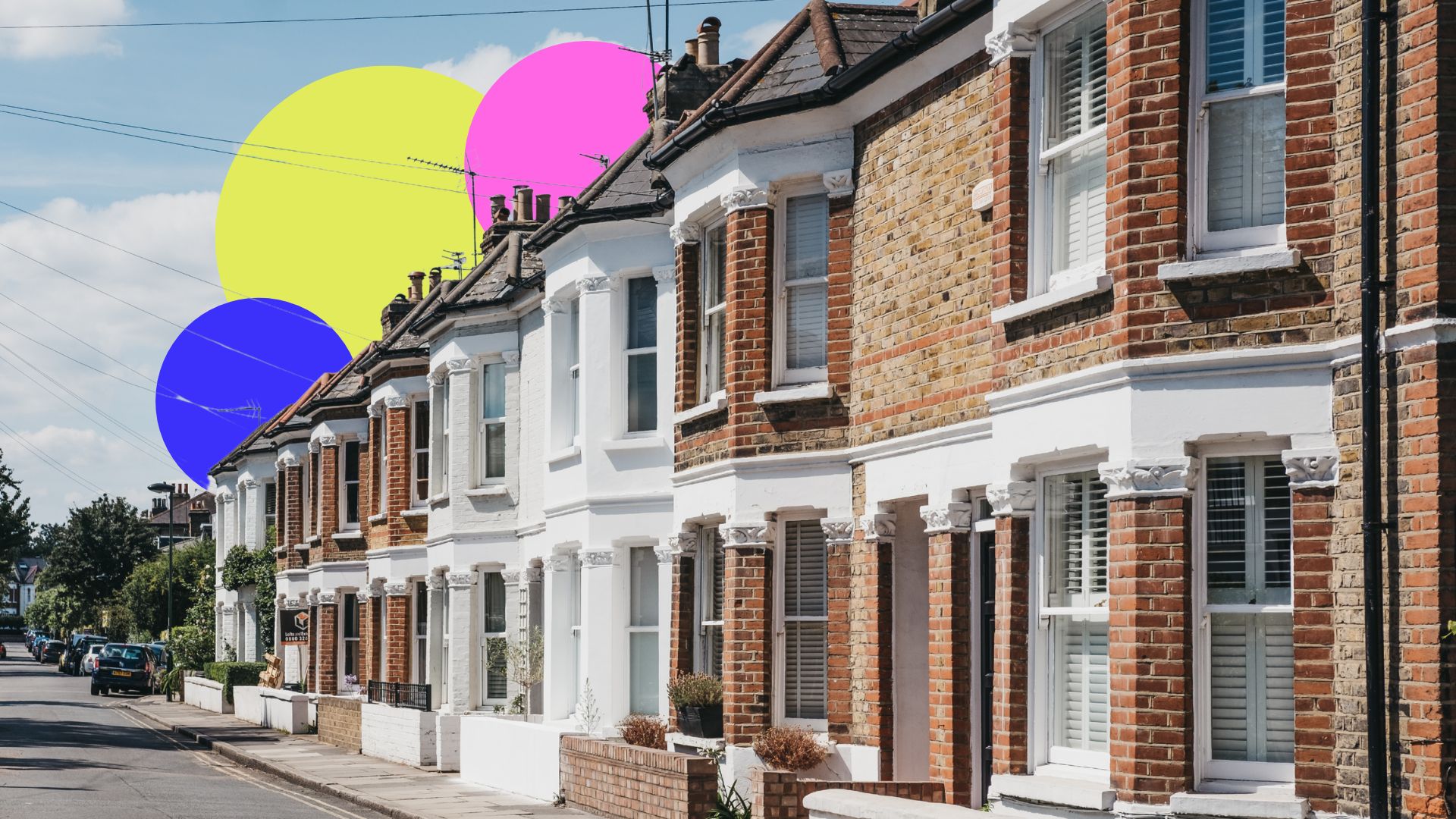
Council tax for the average Band D property across England and Wales will rise by 4.9% in 2026/27, reveals analysis undertaken by the Chartered Institute of Public Finance and Accountancy (CIPFA) and Infoshare+.
Across England and Wales, the average Band D bill now stands at £2,348.08. While slightly lower than last year’s council tax increase of 5.1%, the rise remains above January’s inflation rate of 3.2%, meaning households will continue to see council tax increases that outpace the cost of living.
CIPFA’s annual council tax survey also highlights significant regional variation in council tax levels. While the average Band D bill now exceeds £2,000 in every region, the South West recorded the highest average at £2,550.07, with Greater London remaining the lowest at £2,068.28.
This leaves households in the South West paying £481.79 more on average than those in the capital.
In percentage terms, households in the South West will see the highest increase on their bills, at 5.4% compared with 4.4% in Greater London.
Seven councils have been granted permission to increase council tax above the national referendum threshold of 5%, with rises of up to 9% in some areas. Six Police and Crime Commissioners have also been permitted higher precept increases.
Council tax continues to form a vital part of local authority income. However, CIPFA is warning that increases alone are unlikely to fully offset rising demand for services and increasing costs. With central government funding reducing in relative terms over time, councils are increasingly reliant on locally raised income to bridge funding gaps.
Wider changes to the local government finance system will also affect councils in 2026/27. A revaluation of business rates and a reset of the retention scheme will redistribute income between authorities, while the government’s Fair Funding Review is reshaping how grant funding is allocated. Although total funding is increasing to over £78 billion, including additional support through grants and transitional protections, the impact will vary significantly between areas.
Local decisions on council tax are made by elected members, who must balance financial pressures, service demands and the impact on residents. However, even with increases close to the referendum threshold, some councils are expected to continue drawing on reserves or making savings to maintain services.
“CIPFA’s analysis shows that councils continue to face a difficult balancing act. While this year’s increase in council tax will provide some additional income, it is unlikely to keep pace with rising demand and cost pressures.
“Council tax remains one of the few tools available to manage funding shortfalls. But even with increases close to the threshold, many councils will still need to make difficult decisions about services and, in some cases, use reserves to maintain provision.
“At the same time, local government is undergoing significant change through reorganisation and devolution. Getting the financial foundations right will be critical to ensuring these reforms deliver sustainable services for communities.”
– Owen Mapley, CEO, CIPFA
“Council tax is becoming an increasingly critical income stream for local authorities dealing with reduced central funding. However, rate rises put pressure on residents and aren’t a long-term sustainable solution for helping councils raise vital funds from this channel.
“The real opportunity for councils to maximise council tax revenue both now, and in the future, is through better management of the data that underpins their tax base; ensuring property and resident records are accurate and identifying incorrect discounts and fraud.
“As financial pressures continue to evolve, those authorities that invest in better data visibility and integrity will be best placed to strengthen revenue collection in a way that is both sustainable and fair for residents.”
– Steve Thorn, Exec Chair, Infoshare+
Notes to editor
- CIPFA and Infoshare+’s Council Tax Survey was based on responses to questionnaires sent to authorities in England and Wales.
- Band D properties are used as the typical value as they act as the baseline figure from which other bands are calculated.
- Councils granted higher referendum thresholds for 2026/27 include Trafford: 7.5%, Warrington: 7.5%, Windsor and Maidenhead: 7.5%, North Somerset: 9%, Shropshire: 9%, Worcestershire County Council: 9% and Bournemouth, Christchurch and Poole: 6.75%
- For further queries, please contact the CIPFA press office at press@cipfa.org.